
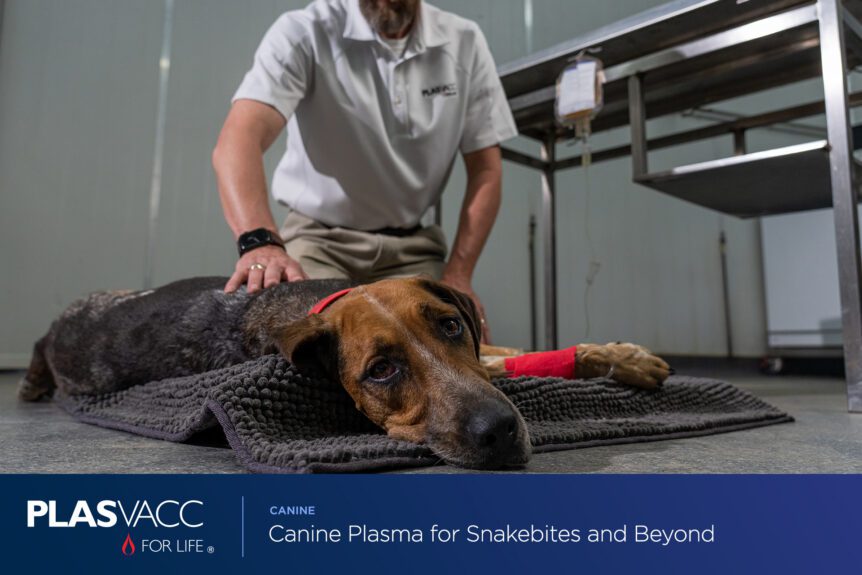
When a dog is rushed to the clinic—bleeding, weak, or suddenly very sick—every second matters. There is no time to hesitate. In moments like these, canine plasma isn’t just another product on the shelf. It’s often the difference between stabilising a patient and losing them.
You may have heard of plasma being used for illnesses like parvovirus, but it’s just as important in emergencies. Let’s take a closer look at how plasma helps when things go wrong fast.
When Snakes Strike
Snakebites are among the most urgent cases, particularly in rural regions. Even with antivenom on hand, dogs can still face severe clotting problems. Venom-induced coagulopathies strip the blood of its ability to clot, leaving patients at risk of catastrophic hemorrhage.
That’s where Caniplas canine plasma steps in. By replacing clotting factors and supporting circulation, plasma helps stabilise canine patients long enough for antivenom and other therapies to do their work. For many vets, having frozen plasma in the clinic means they will not lose valuable minutes transferring a critical patient or waiting on an emergency shipment.
Trauma Care
Plasma shines just as brightly in trauma care. Road accidents, bite wounds, and severe lacerations can drain a patient’s reserves in minutes. Whole blood isn’t always available, and even when it is, plasma brings a more readily available option to the fight: proteins and clotting factors that restore balance when the body’s own systems can’t keep up.
Speed matters. Caniplas doesn’t require cross-matching. Staff can thaw it quickly and have it ready, for administration by a licensed veterinarian. That speed gives the patient a fighting chance while veterinarians tackle the underlying injury.
When Dogs Can’t Stop Bleeding
Some emergencies don’t come from trauma at all. They arrive quietly, an owner reports a dog that won’t stop bleeding from a small cut, or a patient shows up pale and weak after ingesting rodenticide. In these cases, clotting disorders make Caniplas canine plasma essential.
Canine plasma provides the missing clotting factors the liver can’t produce, or that toxins have destroyed. The improvement in coagulation times can be rapid, turning an uncontrolled bleed into a manageable case. For vets, it’s the reassurance that they can act, even before a full diagnosis is confirmed.
Stocking Plasma: More Than a Safety Net
Emergency use cases highlight one point clearly: plasma shouldn’t be thought of as a last resort. Clinics that keep Caniplas
stocked don’t just protect their canine patients, they protect their ability to respond when the unexpected happens.
Fresh-frozen with stable clotting factors for 20 months, Caniplas is ready when you are.
A Tool Worth Keeping Close
Caniplas has earned its place in treating parvovirus and clotting deficiencies, but its value in emergencies is just as vital. Snakebites, trauma, clotting disorders—these cases can’t wait. Caniplas helps buy time, stabilise patients, and support recovery in ways few other products can.
So the question isn’t whether plasma works. It’s whether you’ll have it ready when you need it. For detailed guidance on thawing and administration protocols, see our Plasma Transfusion for Animals: Best Practices from Preparation to Administration resource.
