Canine Plasma for Snakebites and Beyond

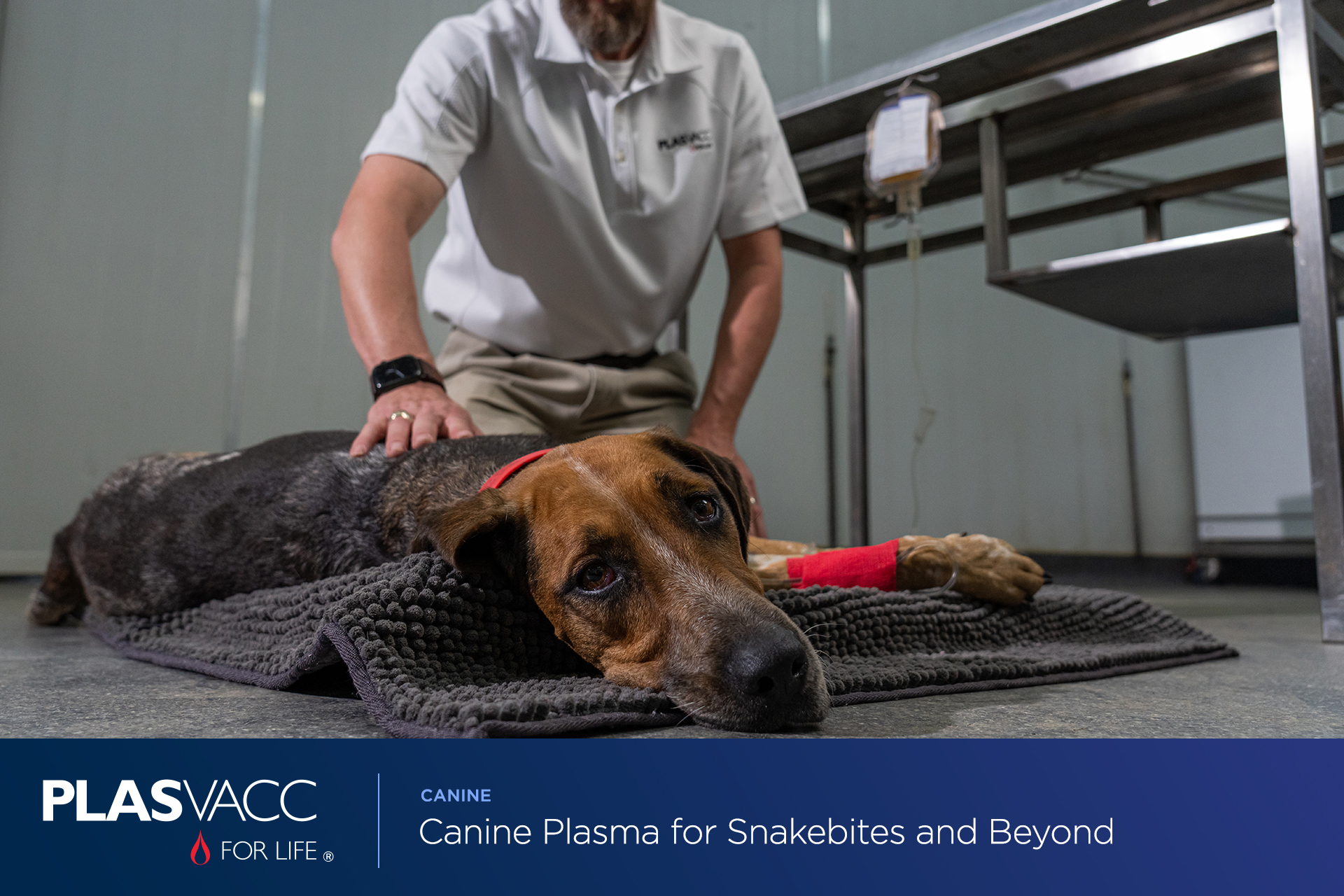
When a dog is rushed to the clinic—bleeding, weak, or suddenly very sick—every second matters. There is no time to hesitate. In moments like these, canine plasma isn’t just another product on the shelf. It’s often the difference between stabilizing a patient and losing them. You may have heard of plasma being used for illnesses like parvovirus, but it’s just …

Canine Plasma and Parvovirus: What Every Vet Should Know

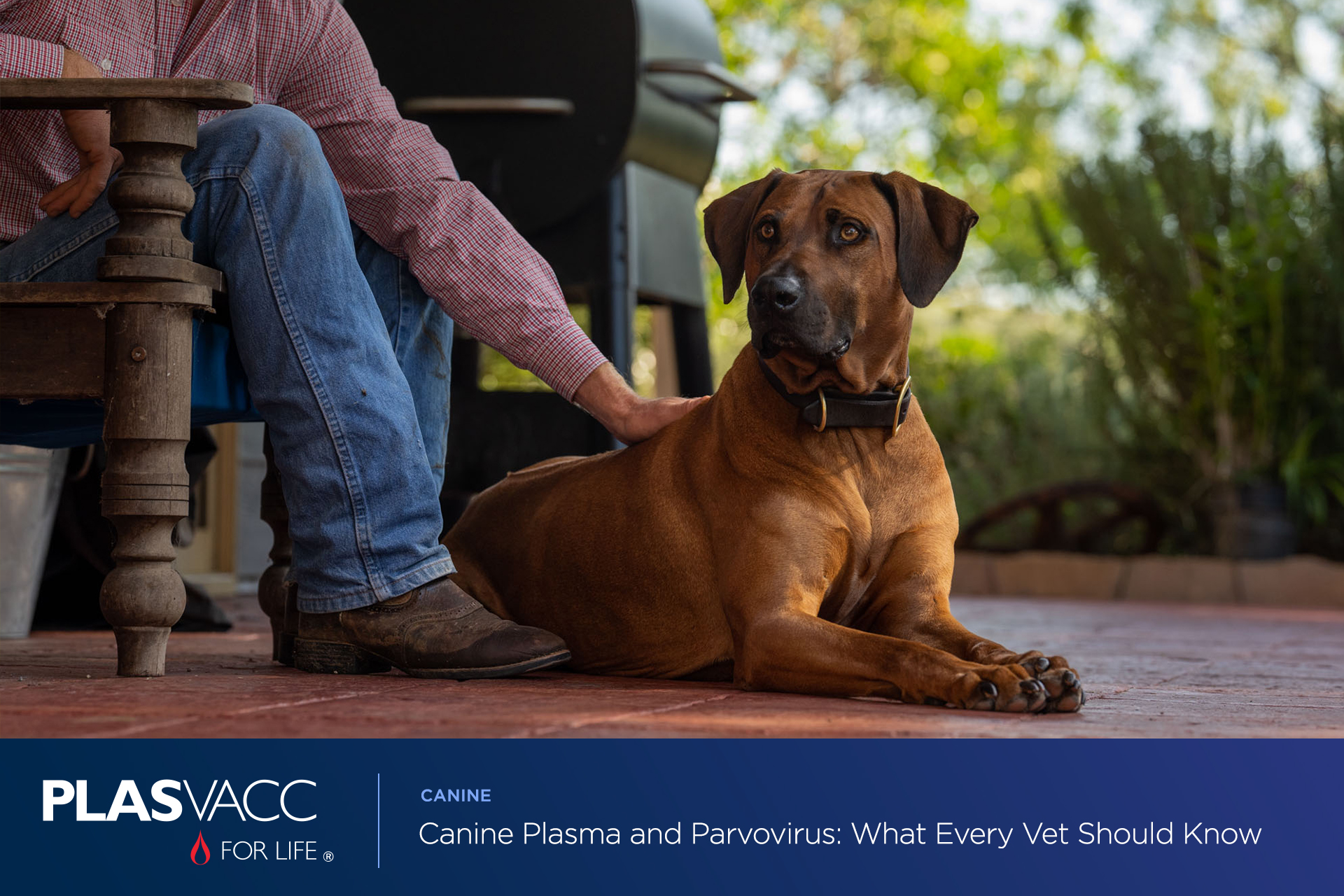
Parvovirus is one of those diagnoses that still tightens the room. You’ve seen it before, probably more than you’d like. A young dog, rapid decline, worried owners, and a disease that doesn’t wait for perfect timing. Even with vaccination protocols improving, canine parvovirus (CPV) remains a serious and often life-threatening condition, especially in puppies and unvaccinated dogs. Supportive care has …

Dr. Melissa Patten on Equine Plasma in Practice

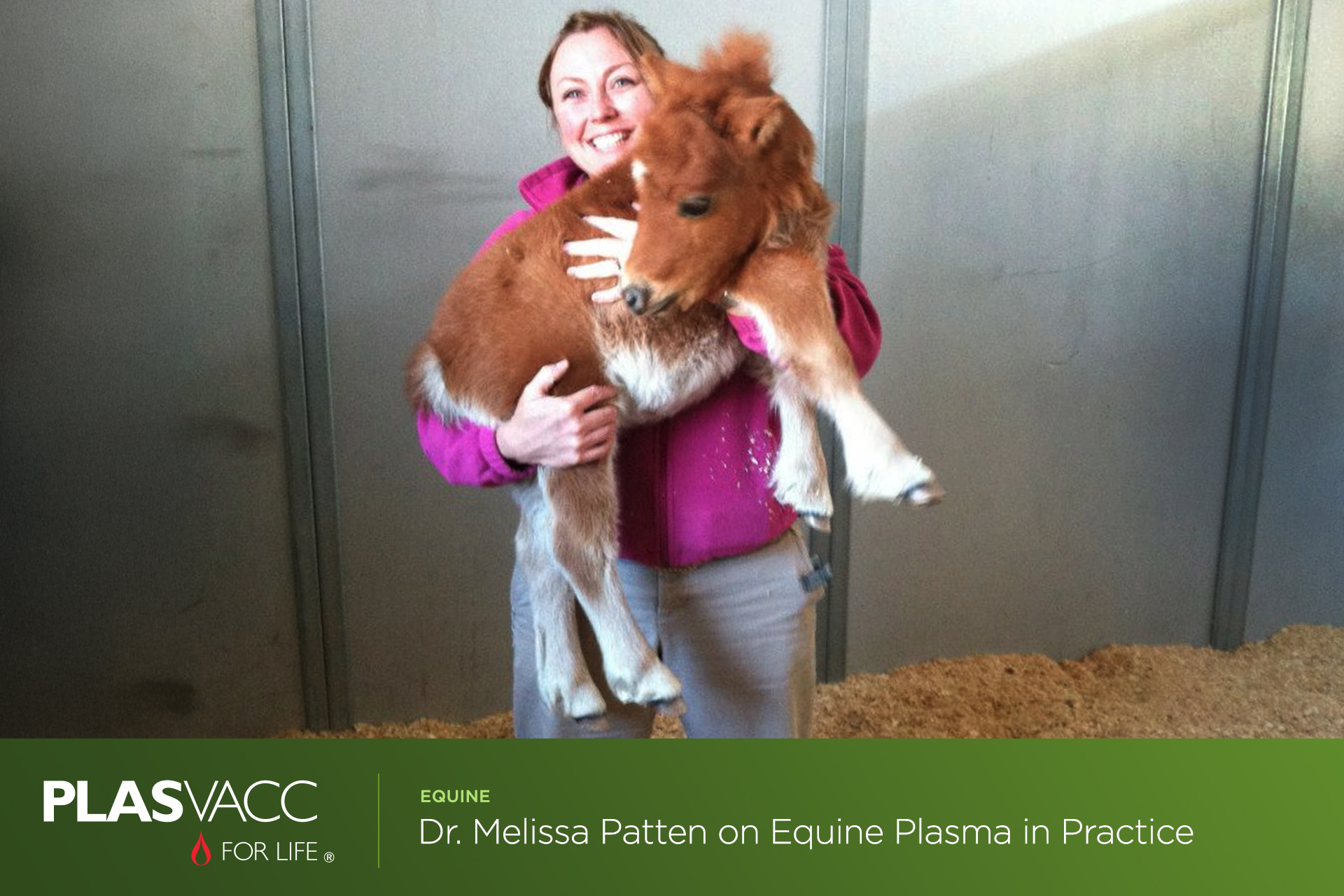
From her early days showing horses on California’s Central Coast to running a thriving equine reproduction practice, Dr. Melissa Patten has dedicated her career to helping horses live healthier, more successful lives. As owner of River Grove Veterinary Services in Paso Robles, CA, Dr. Patten’s practice focuses almost entirely on reproduction, breeding hundreds of mares each year. Known for her …

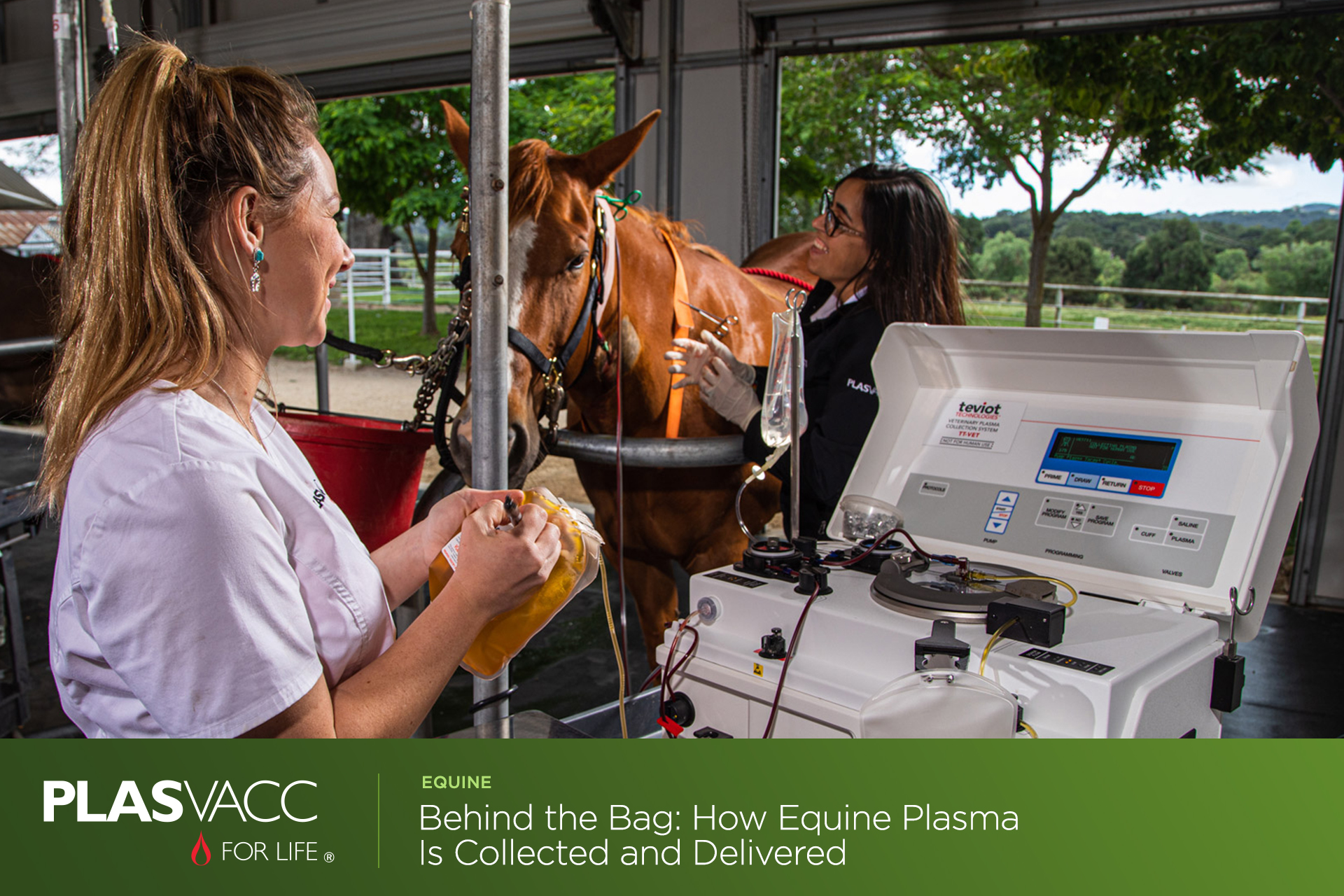
Behind the Bag: How Equine Plasma Is Collected and Delivered

Veterinarians know the value of plasma in critical cases. A single bag can mean the difference between a foal thriving or succumbing to infection. What’s not widely known is what goes on behind the scenes: the donor animals, the collection process, and the people dedicated to making sure every unit that leaves Plasvacc is safe, effective, and ethically sourced. Horses …

Stocking Plasma for Foals

For equine veterinarians and breeding operations, foaling season is one of the most rewarding and demanding times of the year. Each birth is a milestone, but the first hours of a foal’s life carry significant risks, particularly if something interrupts the natural transfer of immunity from mare to newborn. That’s why keeping plasma for foals in stock is more than …

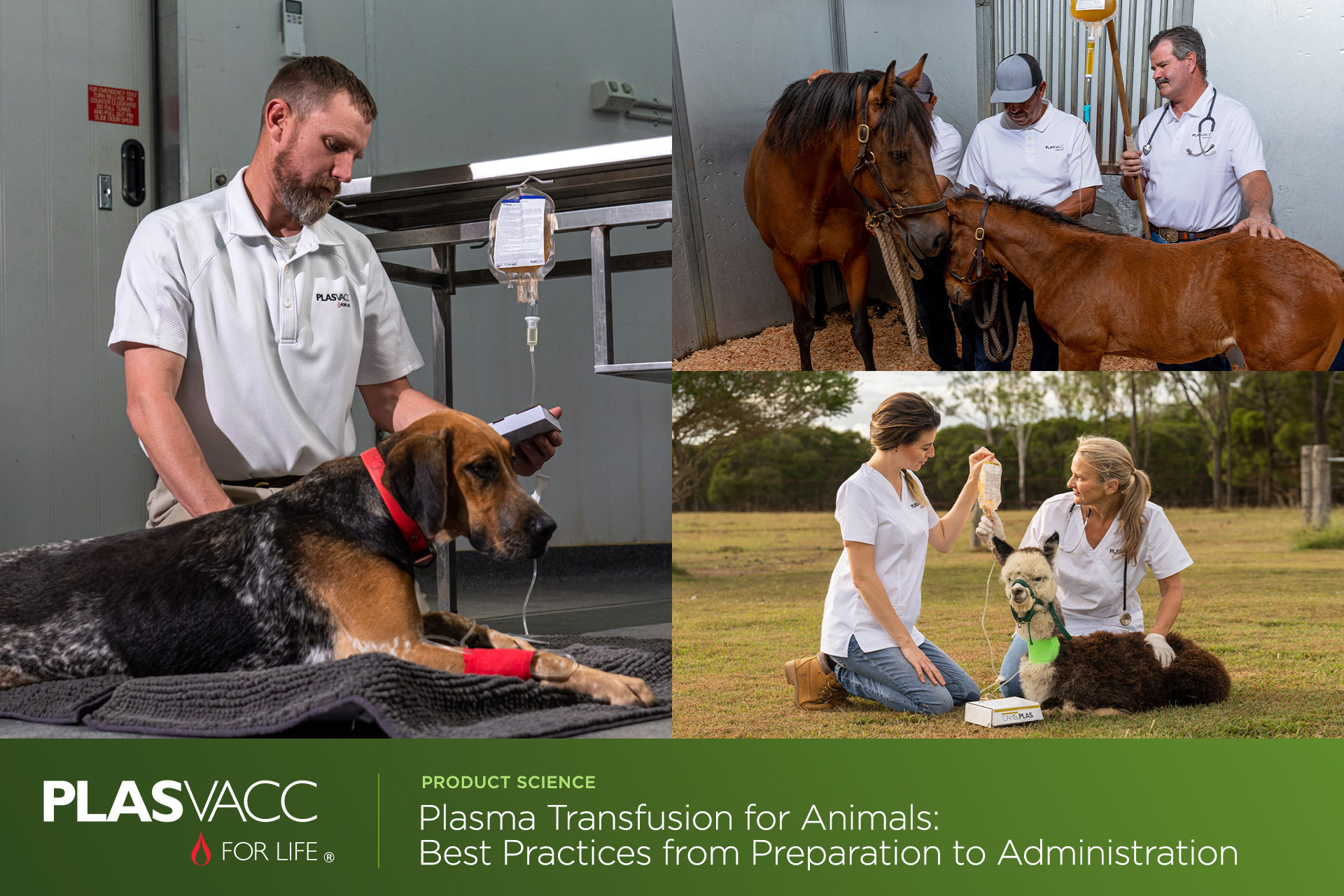
Plasma Transfusion for Animals: Best Practices from Preparation to Administration

Plasma transfusion for animals is a proven therapeutic tool in modern veterinary medicine. From neonatal foals with Failure of Passive Transfer (FPT) to adult dogs recovering from trauma, plasma delivers life-saving antibodies and proteins that support the immune system and speed up recovery. But the power of plasma isn’t just in what is in the bag—it’s in how it’s handled. …

Caniplas and Parvovirus

Since its discovery in the late 1970s, Canine Parvovirus has been one of the leading causes of death in dogs because of its highly resilient, contagious, and aggressive nature. The fatality rate for puppies and unvaccinated dogs can be as high as 90% if left untreated. Parvo is easily transmitted through direct and indirect contact, it’s resistant to antivirals and …

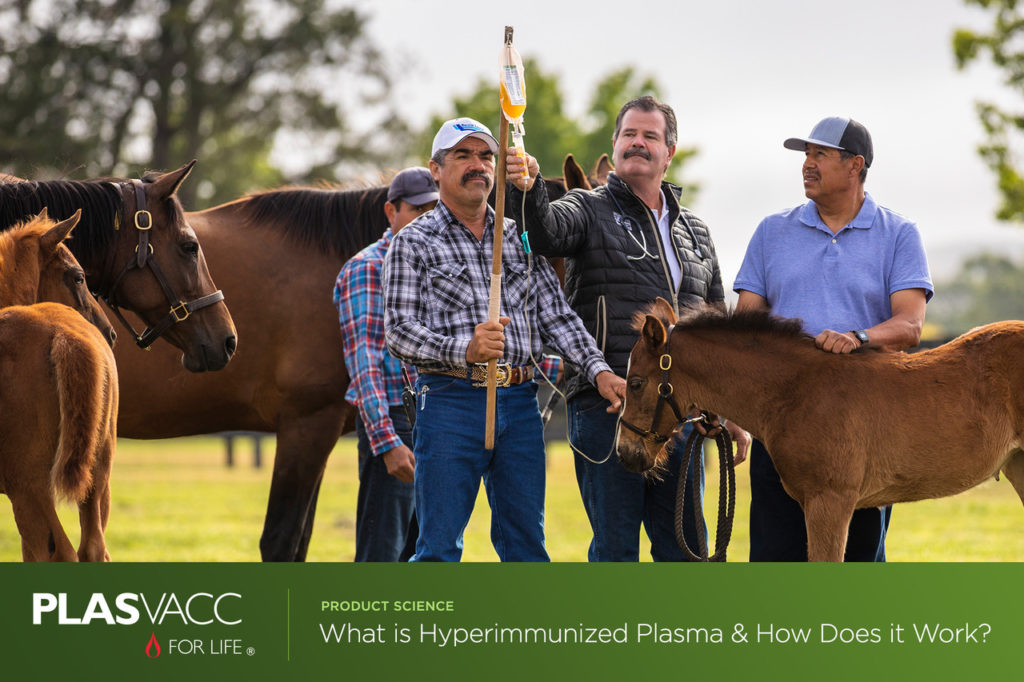
What is Hyperimmunized Plasma?

At Plasvacc USA Inc., we provide veterinary biological products that help animals live longer, healthier lives. We started Plasvacc out of a passion for horses, dogs, and healthy, happy animals of all kinds. From our facility in beautiful Templeton, California, and our sister ranch in Queensland, Australia, we collect and process Caniplas® and Equiplas® hyperimmunized plasma for the treatment of …

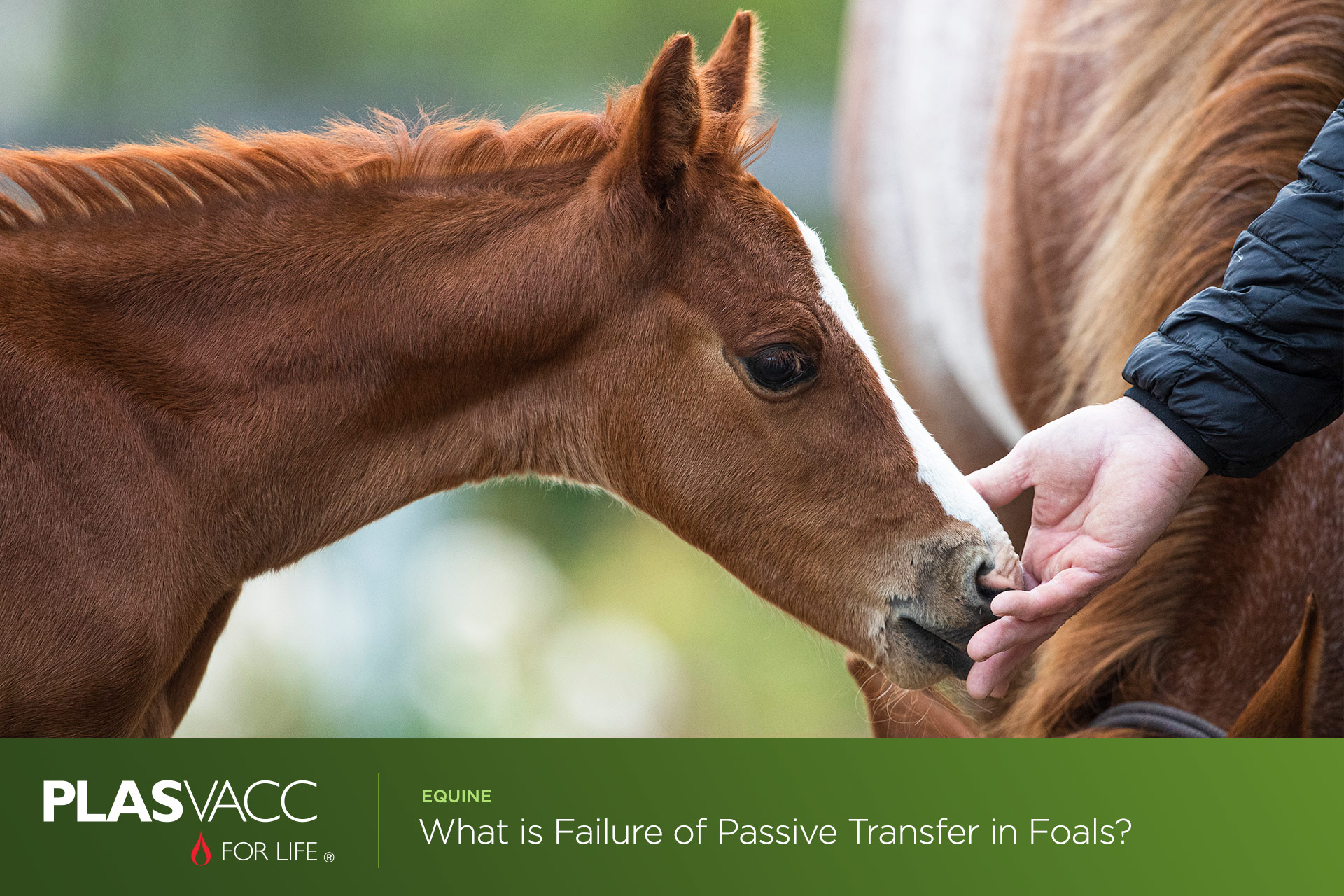
What is Failure of Passive Transfer in Foals? A Comprehensive Look

Veterinary professionals working with horses know just how devastating Failure of Passive Transfer (FPT) in foals can be. A serious condition that places newborn foals at risk of developing life-threatening complications, FPT can occur in 10-20% of foals, which in the U.S. alone can account for nearly 4,000 foals in a given year At Plasvacc, we’ve worked hard to develop …

Nurturing Newborn Potential: Essential Care for Your Foal’s First Hours

The arrival of a newborn foal is a moment of wonder and excitement for horse owners and breeders. The initial 24-48 hours after birth are incredibly vital for setting the stage for the foal’s growth and well-being. During this brief but crucial period, your foal requires special care and attention to ensure a smooth transition into the world. Read on …